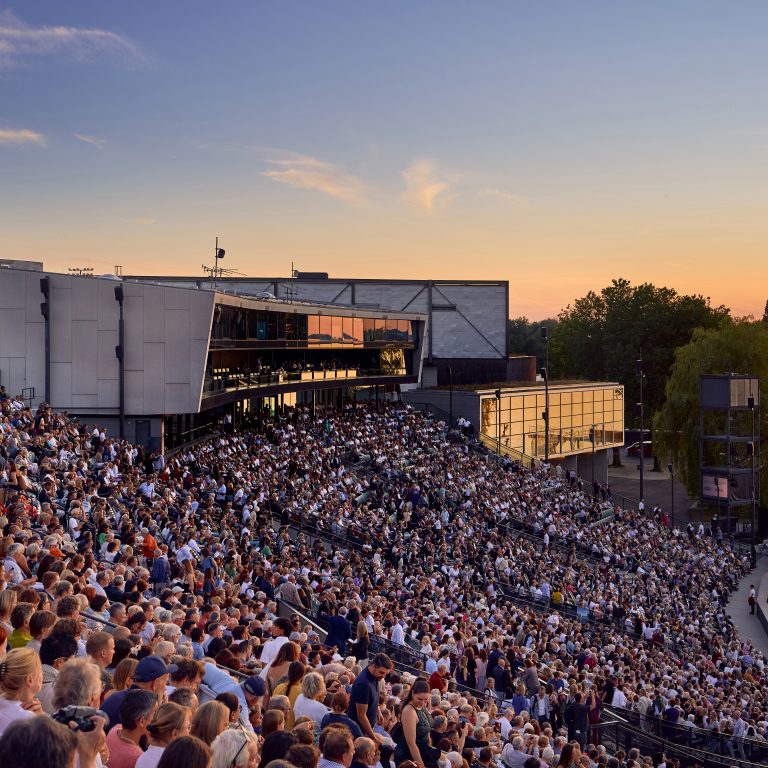
Vorarlberg sings, sounds, plays and inspires
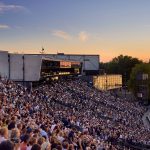
The waves of Lake Constance ripple. The sunset glows like a painting. Nature always plays its part in the opera productions on the lakeside stage of the Bregenz Festival. But Vorarlberg’s cultural scene doesn’t just surprise with the extraordinary on the lake: in the towns and villages, festivals, carefully curated music events and exhibitions attract international attention all year round.
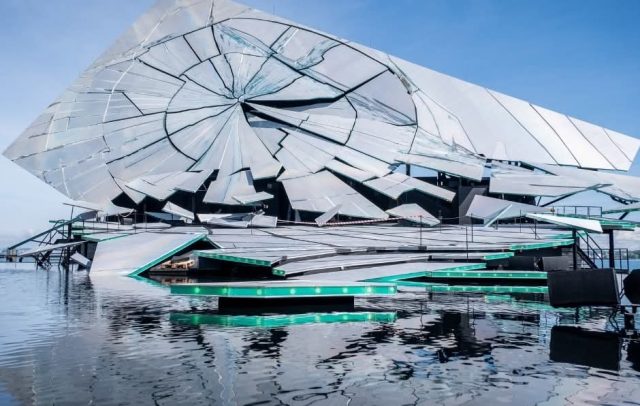
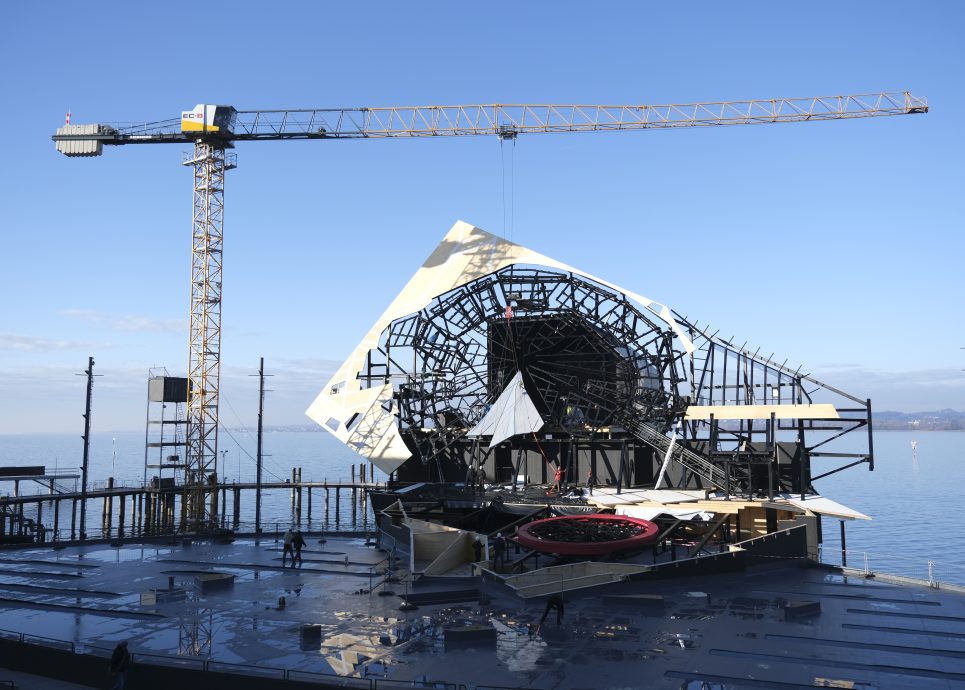
In 1946, the founding year of the Bregenz Festival, two gravel barges served as the stage. Even then, they succeeded in securing the Vienna Symphony Orchestra as the festival orchestra. Over the decades, the festival grew, sharpened its programme and consolidated its international relevance. In 2026, the Bregenz Festival will celebrate its 80th anniversary from 22 July to 23 August, with several premieres. For the first time in history, the opera “La traviata” by Giuseppe Verdi will be performed on the lakeside stage. An opera of painful beauty in which a woman is broken by love. Fragility is also the theme of the stage set – a 700 m² fragmented wall of mirrors. The 86 partly movable surfaces and other parts are largely created in workshops on site, in long-standing cooperation with designers and craftspeople from Vorarlberg.
It will be cheerful on 1 August 2026, when the Bregenz Festival hosts the first “Singalong am See”. On the programme: opera choirs. Everyone is invited to sing along – choirs, singing groups and individuals who love to sing. They will be accompanied by musicians from the Vorarlberg Symphony Orchestra, festival soloists and members of the Bregenz Festival Choir as well as other regional and international choirs. All that’s needed is registration; rehearsal videos are available.
Further first and world premieres complete the multifaceted programme. Insights into the history of the Bregenz Festival are provided by a large, freely accessible open-air exhibition in the Bregenz lakeside grounds. It can be seen from 13 June to 23 August 2026.

Music: from jazz to classical
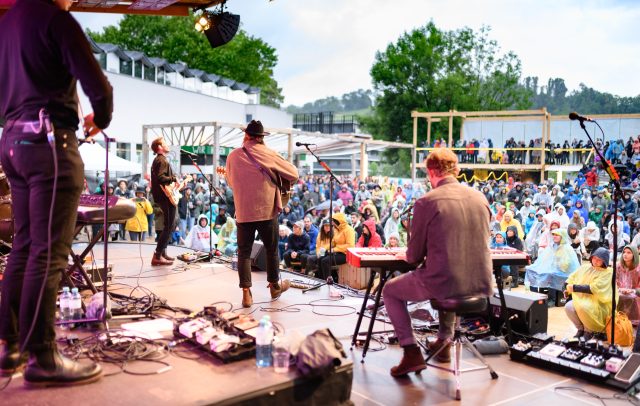
Music of all styles can be heard in Vorarlberg in all seasons. International jazz greats perform at festivals such as “jazzambach”. Cultural events ranging from niche to pop are presented by poolbar Festival from early July to mid-August at the old indoor swimming pool in Feldkirch. Sounds from all over the world enliven “Bezau Beatz” on the second weekend in August. Lieder and classical music, interpreted by the best soloists and ensembles, are the focus of the world’s largest Schubert festival Schubertiade. It takes place on specific dates between late April and early October in Hohenems and Schwarzenberg in the Bregenzerwald.
Many other festivals complement the sonorous events. From the Montafoner Resonanzen to the Lech Classic Festival and the Bludenzer Tage of contemporary music to the classically young :alpenarte Festival in the Bregenzerwald.
Art: from contemporary to regional
The museum landscape is also diverse. The Kunsthaus Bregenz (KUB), designed by renowned Swiss architect Peter Zumthor, is one of the most internationally significant exhibition venues for contemporary art. The Jewish Museum Hohenems raises questions about remembering, forgetting and coexistence across cultural boundaries in its highly topical exhibitions. The Frauenmuseum Hittisau in the Bregenzerwald, the only one of its kind in Austria, focuses on women’s lives. Several museums in the Bregenzerwald explore the tradition of craftsmanship and its innovative present from different perspectives: the modern Werkraum Haus in Andelsbuch, the Museum Bezau with its multi-award-winning extension in the style of contemporary Vorarlberg timber architecture and the Barockbaumeister Museum in Au in the carefully renovated Kurathaus.
Building culture: From history for the future
As the Museum Bezau and the Barockbaumeister Museum in Au show, architectural and craft design have a long tradition in Vorarlberg. Even today, Vorarlberg is considered a pioneering region for contemporary (timber) architecture and innovative craftsmanship. Hardly anywhere else in the Alpine region can you see so many outstanding, harmoniously designed modern buildings. Clear lines and natural materials – predominantly wood and glass – define the style. Selected masterworks throughout Vorarlberg can be seen along seven ArchitekTouren. These stops are also easily accessible by public transport. In the Bregenzerwald, the 12 “Umgang Bregenzerwald” trails, all village walks, make engagement with public space a tangible experience.